
Clothes That Lived
Stories of Wear, Value, and Memory

As I completed the epilogue to my soon-to-be-published book, Cultivating Identities of Second-Generation Immigrants Through The Archaeology of Fashion: A Discourse on Secondhand Objects, I found myself reflecting on how this body of work first began, and how it quietly, persistently evolved.
What started as a research appointment in 2020 (right before the global pandemic) at the Levi Strauss & Co. Archives reshaped my understanding of value itself. Being immersed in garments marked by time, labor, and use pushed me to think beyond pristine preservation and toward the narrative power of wear. The visible abrasion of denim, the softening of fabric at the knees or rear, the stains that refuse to disappear, each trace tells a story. Wear is not damage; it is evidence. It reveals how clothing lives alongside the bodies that move through the world in it.
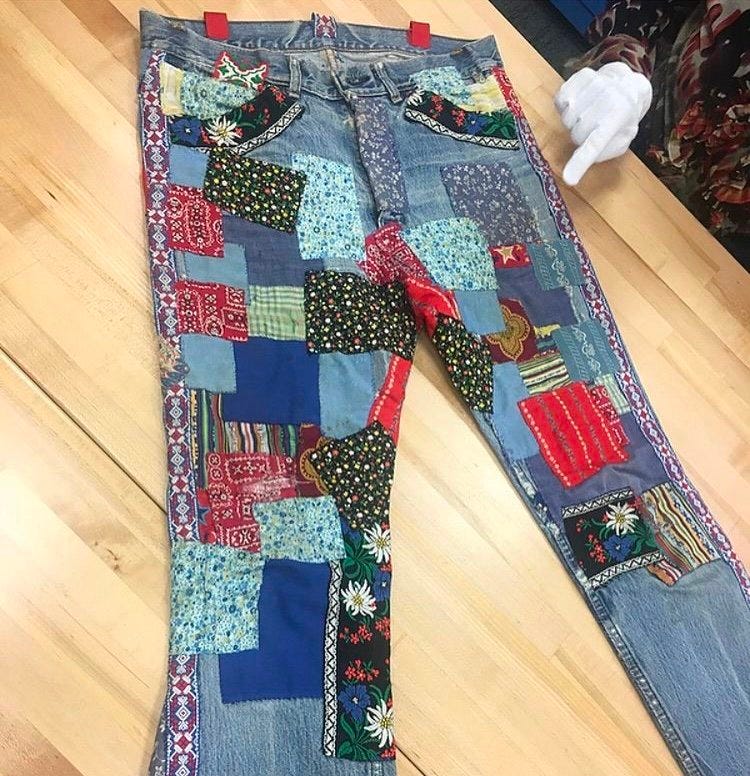
These early curiosities developed into a deeper interest in storytelling, specifically, how the stories embedded in clothing might be spoken, heard, and archived. This impulse eventually led me to experiment with a podcast format that foregrounds lived experience as a legitimate and necessary form of knowledge production within fashion history.
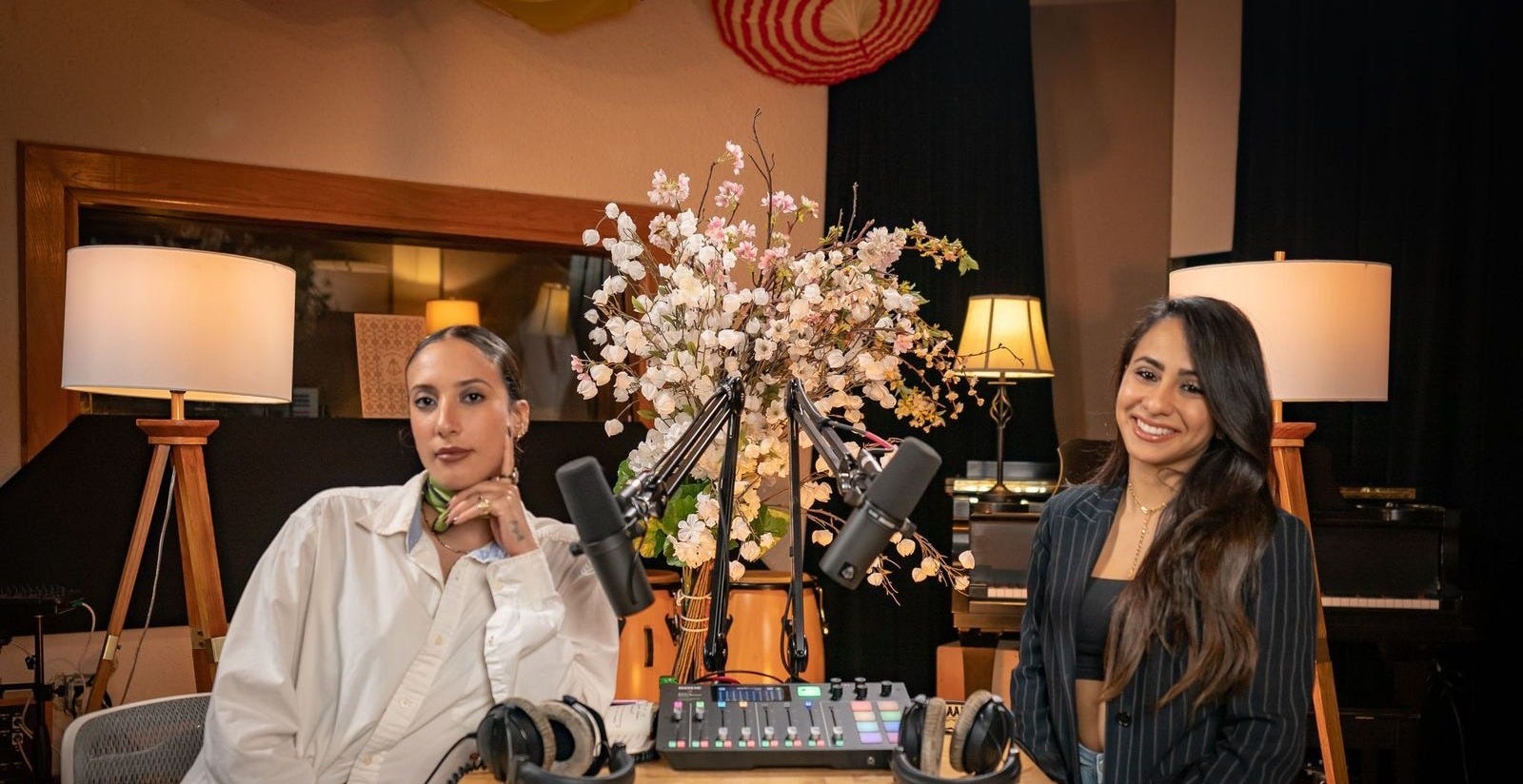
The truth is, I was (and still am) very much a one-woman operation, balancing research, writing, and life. I began where I could: recording a conversation with my best friend, who generously became my first (and very patient) guinea pig. Through that process, I realized something important. I needed to create content that could function as primary source material — flexible, intimate, and responsive in ways traditional academic formats often are not.
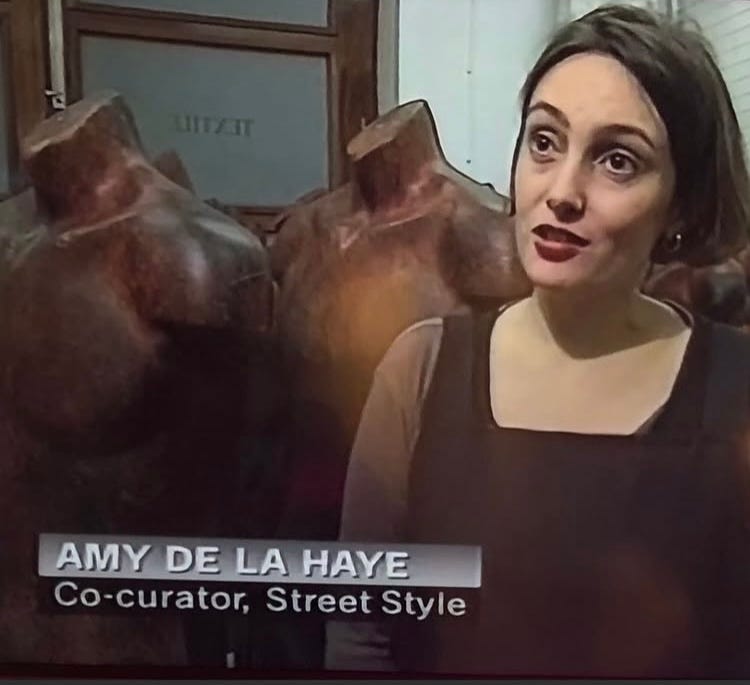
This realization led the project to evolve into what I now think of as “real people” and “real clothes.” A conceptual and methodological play informed by one of my favorite fashion scholars, Amy de la Haye, whose approach to exhibition-making combines oral history and everyday ethnography.
Here, I define:
Real people as individuals whose lives may never be institutionalized as “historical,” yet whose experiences are deeply embedded in cultural memory.
Real clothes as garments shaped by use, care, neglect, repair, and repetition — clothing that has been lived in, not merely collected.
Everyday objects as archival materials in their own right, capable of carrying emotional, social, and political meaning far beyond their assumed ordinariness.
This project continues to ask: What happens when we treat worn clothing as a form of testimony? When we listen to garments the way we listen to people?
I’m beginning to imagine an open call — an invitation for others to share their stories, their clothes, their objects, and the lives entwined with them. Not as spectacle, but as contribution. As evidence. As archive.